

A proactive approach to kids’ eye health

We all know that when it comes to maintaining physical fitness, it’s essential to exercise and choose a balanced, nourishing diet. When we don’t – and our waistline or general health suffers – we usually aren’t too surprised.
While we’re aware that we should be proactive about our physical and even mental health, we don’t always consider proactive approaches to eye health… yet we should. At Ian Donald Optometrist, we’re passionate about ensuring your vision is the very best it can be – so in addition to optometry, we have a full range of eye health services.
There are some steps you can take to help preserve the health and condition of your eyes and it’s best to start young. From Ortho-K to Omega-3, here’s how to take a proactive approach to your kids’ eye care.
“Early eye care helps children avoid learning and behavioural challenges linked to undetected vision problems.”

Provide a balanced diet
Watching what you eat is a win not just for your body, but for your eyes. The nutrients in a variety of foods have a whole range of benefits that may help keep eyes in good shape.
To help prevent dry eye, for instance, you and your kids can munch on leafy greens that contain Vitamin A, or foods such as fish that are rich in omega-3 fatty acids. Omega-3 is also suggested to avoid the risk of cataracts and age-related macular degeneration (AMD). Vitamins C and E in fruits including oranges, mangoes and strawberries may also help restore tissue and prevent eye infections.
A balanced diet, of course, helps prevent obesity and hypertension, both of which are linked to additional eye diseases.

Limit screen time
Being proactive about good eye health starts with newborns. You can help your baby or toddler exercise their eyes by introducing toys or books that have high contrast colours, and games such as peekaboo that stimulate hand-eye coordination.
Worried about excess screen time? There’s good reason to be. More than two hours screen time in children, teens and adults may lead to obesity, insomnia, reduced creativity, mood swings and in some instances, aggressive behaviour.
The blue-violet light emitted by digital devices can cause digital eye strain, resulting in blurred vision, dry and irritated eyes plus problems with eye focus.
While our Smart Blue Filter lenses provide up to three times more protection against blue-violet light than standard prescription glasses, limiting screen time in children is obviously the best first step.
Consider too that the Department of Health recommends children under two have no screen time whatsoever, due to the effect it has on normal physical and language development, including your child’s full range of eye movement.
“Limiting screen time and encouraging visual play are simple ways to protect your child’s eye health.”

Opt for Ortho-K
If we find your child does have an issue with their eyesight, you may be interested in the groundbreaking eye treatment, Ortho-K.
Ortho-K (short for Orthokeratology) are lenses that correct your child’s eyesight and reduce their dependence on glasses or contact lenses. Children wear the Ortho-K lenses when they sleep – and when they wake, they have clear vision, usually lasting for several days. Over the long term, Ortho-K lenses may correct or slow myopia (shortsightedness), astigmatism, hyperopia (farsightedness) and presbyopia (blurred near vision).
Ortho-K is a revolutionary alternative to surgery, and it is one of the most common methods of vision correction in teenagers and pre-teens in our practice.

Keeping on top of your child’s eye health
To help your children’s eye health, it’s good to keep an eye out for signs including squinting, head tilting, sensitivity to light, reading difficulties, headaches or poor hand-eye coordination. We recommend you book an eye examination with our optometrist if you have any concerns.
Regular eye tests will also help us work out if your child needs glasses or has any issues that we need to address. Fortunately, there are plenty of options such as blue lens technology and Ortho-K to help improve or maintain eye health, but catching issues at the earliest stage is likely to lead to the best possible outcome.
Ready to be proactive about your child’s eye health? Contact us to book in their next appointment.
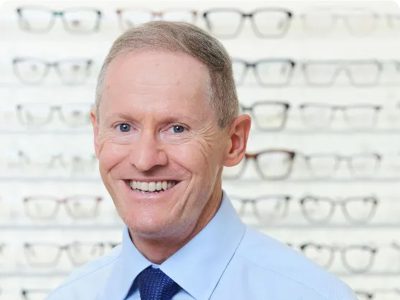
Meet the Author
Ian Donald
Optometrist
Ian Donald had a vision.
He was going to become a dentist. It seemed like a good plan, until his careers adviser gave him a brochure on optometry. It opened up a whole new world. The eye intrigued him. It fascinated him. Optometry captivated him. And so his whole focus changed.
Ian went on to do work experience in the very office he owns today. While studying Optometry at the prestigious UNSW, he spent hours working in that same office, doing all the things no one else wanted to do. Filing. Filing. Filing.
Learning, learning, learning. It’s part of who he is.
Even today he is constantly training and retraining, studying and staying up to date with the latest technology in eye health.
So what else energises Ian?
‘Riding my bike, being part of the community, and helping people see. It gives me the best feeling possible. We take it for granted, because we do it all day, every day. It’s such a gift to be able to give people peace of mind.’ Read More
FAQs
What is "proactive kids eye health"?
Proactive kids eye health focuses on starting eye care early — from newborns to young children — to encourage healthy vision and catch potential problems before they affect learning or development.
How can I help support healthy eye development in toddlers and young children?
You can support vision development by using high-contrast toys, playing hand-eye coordination games, and limiting screen use, as suggested in Ian Donald Optometry’s proactive kids eye health guide.
Why is screen time a concern for children’s eye health?
According to Proactive Kids Eye Health, more than two hours of daily screen time may lead to sleep issues, eye strain, or obesity, so breaks and balance are important.
At what age should children first have their eyes assessed by an optometrist?
Children’s eye checks should be scheduled in the preschool years, as early detection of issues like lazy eye, misalignment, or refractive errors leads to more effective treatment.
What are the benefits of early detection of vision problems in kids?
Early detection through proactive eye care can prevent learning difficulties, boost confidence, and improve the effectiveness of treatments started at a young age.








 View Brands
Have questions?
Chat with our team today

Shop 2, 37-39 The Corso,
Manly NSW 2095

Monday to Friday - 8.30am to 5.30pm
Saturday - 8.30am to 4.00pm
Ian Donald Optometrist is a private billing practice. Please contact reception for our consultation fee schedule. Medicare and private health insurance rebates apply.
 BOOK an EYE TEST
© Copyright Ian Donald Optometrist 2026. All Rights Reserved. Website by Brilliant Digital.